Introduction
In today’s digital world, just creating content is not enough. Millions of posts are uploaded every day on platforms like Instagram, YouTube, LinkedIn, Facebook, TikTok. But very little of that content gets more reach and engagement. The main reason for that is the social media algorithm.
The algorithm will pay attention to what users see, like, share, and how long they watch videos. Based on that, the content reaches more people.
Therefore, it has become very important for creators, businesses, students, and digital marketers to understand how the social media algorithm works.
In this blog, we will look at how social media platforms rank content, what to do to increase reach, and how to build an algorithm-friendly content strategy in 2026.
What is a Social Media Algorithm?
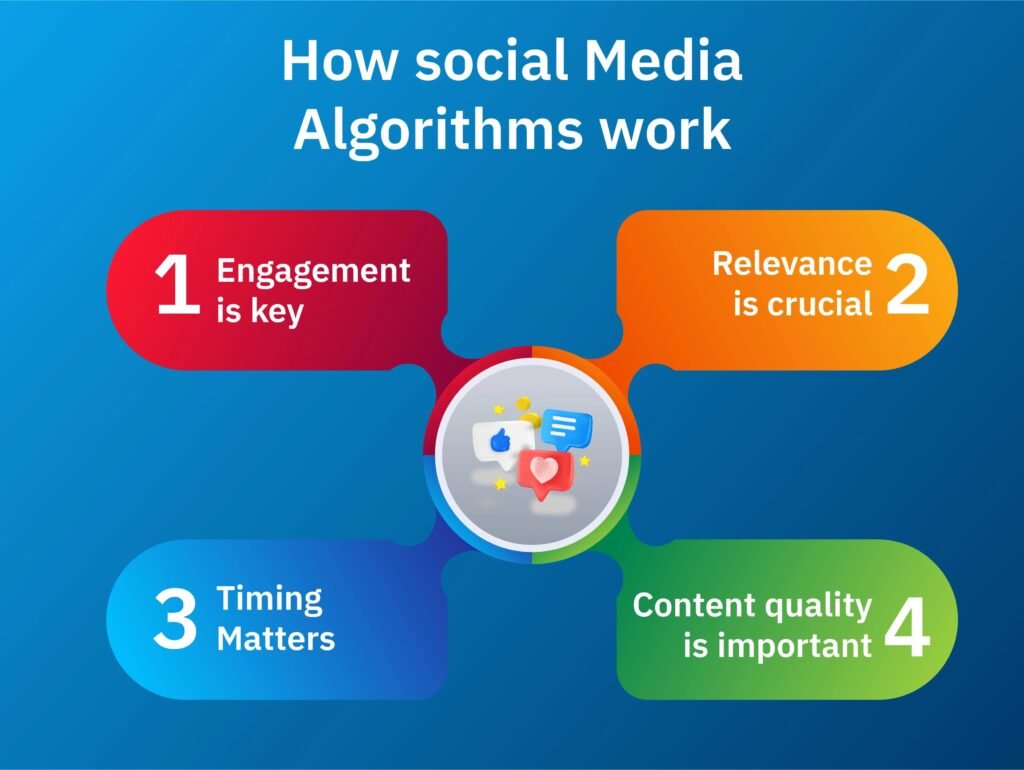
A social media algorithm is a system that social media platforms like Instagram, YouTube, Facebook, LinkedIn, and TikTok use to show and rank content to people.
Previously, posts were shown in the order in which they were uploaded on social media platforms. But now, platforms show content that users are most likely to like first.
The algorithm looks at a few things:
- What the user is interested in
- What types of videos are viewed the most
- What posts are liked, commented on, and shared
- What is the content quality like
- How do users interact with the content
- What are the current trending topics
The algorithm ranks content by analyzing all of this.
The main goal is very simple users should be active on the platform for more time.
For example, if someone watches more marketing reels on Instagram, then the algorithm will start recommending more marketing-related reels like that.
Therefore, it is very important for content creators and businesses to understand how social media platforms work.
Why is Algorithm Important?
Many creators today believe that posting regularly is the only way to grow. But in reality, it’s the social media algorithm that determines whether your content reaches more people or not.
A good algorithm-driven content strategy can help you:
- Increase organic reach
- Improve engagement
- Acquire followers faster
- Generate leads and conversions
- Build brand authority
- Help more people discover your content
Content marketing can be difficult to predict without understanding how social media algorithms work.
How does the Instagram Algorithm work?
The Instagram algorithm has changed a lot in the past few years. Here are some things that Instagram will be focusing on in 2026.
1. Watch Time
Instagram will pay attention to whether people watch your reels or videos in their entirety.
If people watch a video for a long time, Instagram will see it as valuable content. This will increase the chance that that content will reach more people.
Tips:
- Make the first 3 seconds strong
- Make videos interesting
- Add captions and motion graphics
Understanding the social media algorithm can help creators improve content reach.
2. Engagement
The Instagram algorithm tracks several engagement signals:
- Likes
- Comments
- Shares
- Saves
- DMs
- Profile visits
Shares and saves are the most important of these, as they are a signal that people find the content useful.
Tips:
- Create educational carousel posts
- Use relatable storytelling
- Encourage your audience to save your post
3. Consistency
Instagram usually gives more visibility to creators who post regularly.
The algorithm trusts creators who are consistent.
Tips:
- Maintain a content calendar
- Post reels regularly
- Be active in Stories and replies
4. Relevance
Instagram will recommend more content that users like.
That is, the algorithm will learn what type of content the user is interested in.
Tips:
- Create niche-focused content
- Use relevant hashtags
- Optimize keywords in captions
How does the YouTube Algorithm work?
The YouTube algorithm mainly looks at things like whether people like your video and how long they watch it.
1. Click-Through Rate (CTR)
YouTube will pay attention to whether people click on your video after seeing the thumbnail and title.
The more people click, the more YouTube will know that your content is interesting.
Tips:
- Use attractive thumbnails
- Write titles that generate curiosity
- Avoid misleading clickbait titles
2. Audience Retention
YouTube will check how long people watch your video.
If viewers watch a video for a long time, the algorithm will consider it as good content.
Tips:
- Avoid long intros
- Say the main content quickly
- Make video editing interesting
3. Watch Time
The total time people watch your videos will greatly affect YouTube ranking.
If people watch videos for a long time, YouTube will start recommending them to more people.
4. User Interaction
Comments, likes, shares, and subscriptions can help increase video reach.
Videos that get more interaction are more likely to be pushed further by the algorithm.
Tips:
- Ask questions in videos
- Encourage the audience to comment
- Build community engagement
LinkedIn Algorithm for Professional Content
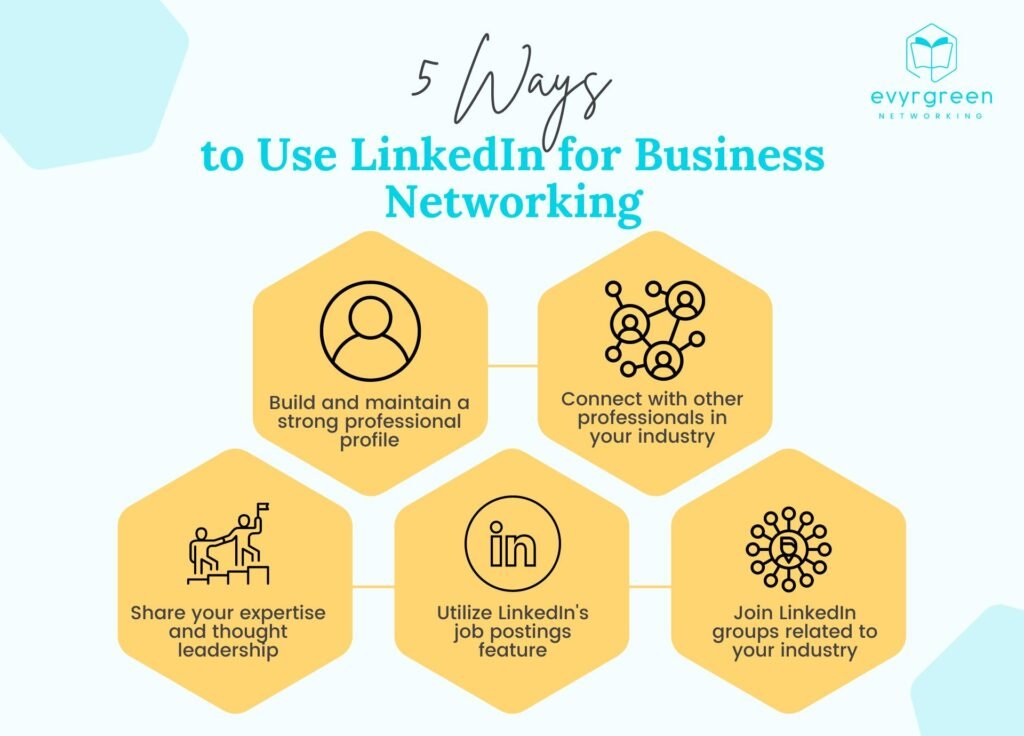
LinkedIn has become one of the most important platforms for personal branding and B2B marketing today.
The LinkedIn algorithm mainly gives more importance to content with professional value and meaningful engagement.
That is, LinkedIn delivers content that is useful to people and creates discussions to more people.
Understanding the social media algorithm can help creators improve content reach.
LinkedIn Ranking Factors
1. Early Engagement
The first few hours after posting are very important on LinkedIn.
If you get engagement likes, comments, shares during that time, the algorithm will understand that the post is good content.
Tips:
- Post when the audience is active
- Create content that creates discussion
- Reply to comments quickly
2. Dwell Time
LinkedIn will check how much time people spend reading your post.
If people spend more time reading your content, LinkedIn will see it as valuable content.
Tips:
- Use strong opening lines
- Write short paragraphs
- Add storytelling elements
3. Relevant Connections
Your content will be shown first to people who are likely to engage with it.
That’s why building the right audience is very important.
Tips:
- Build a niche audience
- Connect with industry professionals
- Publish posts focused on specific topics
TikTok Algorithm & Viral Content
TikTok is one of the platforms with the most powerful recommendation systems today.
The TikTok algorithm mainly looks at:
- Whether people watch the entire video
- Whether it is replayed
- Whether it is shared
- How is the user interaction
- Whether it is using trending sounds and formats
What’s special about TikTok is that even small creators get a chance to go viral very quickly.
That’s why new creators are using TikTok more and more.
TikTok Growth Tips
- Follow Trends Quickly
- Create trending content early to increase your reach.
- Use Trending Audio
- Using popular sounds will help increase algorithm reach.
- Make Videos Short & Engaging
- Short videos are more likely to be watched by everyone.
- Focus on Storytelling
- Simple storytelling videos perform very well on TikTok.
Common Factors That Influence Every Social Media Algorithm
Each social media platform works differently. But there are some common things that all platforms look for when ranking content.
If these factors are good, your content will have a better chance of getting more reach and engagement.
1. Content Quality
Low-quality content usually has less reach.
Blurred visuals, poor editing, and unclear audio are not liked by the audience. Therefore, even the algorithm will be less likely to push such content.
Things to consider:
- Use clear visuals
- Use good editing
- Make the audio clear
- Maintain a professional-looking design
2. Audience Retention
Platforms will pay attention to how long people watch your content.
If viewers stay with the content for a longer period of time, the algorithm will consider it as valuable content.
Simply put:
Content that people watch for a longer period of time will get more reach.
3. Engagement Rate
If engagement such as likes, comments, and shares is high, the algorithm will understand that the content is useful.
Important Metrics:
- Likes
- Comments
- Saves
- Shares
- Watch duration
If these are strong, the content will have a greater chance of reaching more people.
4. Posting Consistency
Platforms will trust creators who post content regularly more.
Posting consistently without long gaps will help improve algorithm reach.
5. Relevance & Keywords
Nowadays, even social media platforms are becoming like search engines.
Therefore, keywords are of great importance now.
Using relevant keywords in captions, titles, and descriptions will make it easier to discover content.
That is why SEO is now very important in social media marketing as well.
Examples:
- Instagram SEO
- YouTube SEO
- LinkedIn keyword optimization
The Role of AI in Social Media Algorithms
Artificial Intelligence(AI) is now being used extensively on all major social media platforms.
AI will try to understand what users like and what type of content they see the most.
AI helps platforms:
- Predict content that users are likely to like
- Recommend personalized content
- Detect spam content
- Rank posts with good engagement
- Analyze how viewers behave
So social media platforms are getting smarter every year.
In other words, it is more important to create content that the audience likes than to try to trick the algorithm.
How to Create an Algorithm-Driven Content Strategy

1. Understand the Audience
You should have a good understanding of your audience.
Things to research:
- What is the audience interested in?
- What are their problems?
- What type of content do they like?
- When are they most active?
If you understand the audience better, your content performance will also be better.
2. Focus on Hook-Based Content
The first few seconds of a video or post are very important.
If the audience doesn’t feel interested at that point, they will skip right away.
Strong Hooks Examples:
- Ask questions
- Tell surprising facts
- Mention common problems
- Use bold statements
A good hook increases the chance that the audience will watch the content for longer.
3. Create Shareable Content
Algorithms love content that people share.
Content that gets more shares has a chance of reaching more people.
Best Performing Content Formats:
- Educational carousel posts
- Short-form videos
- Tutorials
- Relatable memes
- Industry insights
4. Optimize Content for Search
Nowadays, even social media platforms have started working like search engines.
So using keywords is very important.
Places where keywords can be added naturally:
- Captions
- Titles
- Hashtags
- Video descriptions
For example, using keywords like “social media algorithm” smartly can help more people discover your content.
5. Analyze Performance Metrics
After posting content, you should check its performance.
Metrics to track:
- Reach
- Engagement
- Watch time
- Saves
- Shares
- CTR (Click Through Rate)
You can improve future content by looking at this data.
Understanding which type of content performs best will make it easier to make the next content better.
Common Mistakes Creators Make
1. Ignoring Audience Retention
Many creators only look at views. But how long people watch a video is more important.
If people skip a video after a few seconds, the algorithm will think that the content is not that interesting.
So, instead of just looking at views, you should also look at watch time and audience retention.
2. Posting without a strategy
Randomly posting content can reduce growth.
Without consistency, it can be difficult for the algorithm to understand your niche when you post reels one day and random posts the next.
Therefore, you need to have a clear content strategy.
3. Overusing Hashtags
Many people think that using too many hashtags will increase your reach. But using irrelevant hashtags can also reduce your reach.
It is best to use only hashtags that match your content.
4. Low-Quality Content
Poor visuals, unclear audio, and weak editing will reduce audience engagement.
People spend more time watching quality content.
So:
- clear visuals
- good lighting
- clean editing
- clear audio
These are the things to pay attention to.
5. Follow All Trends
Trending content is good. But not all trends need to match your niche.
Following random trends can lead to audience confusion.
Select only trends that are useful to your audience.
The Future of Social Media Algorithms
In the future, social media algorithms will become even smarter and more personalized.
Content will be recommended to each user based on their interests.
Major Trends Expected in 2026
AI-Based Recommendations
Platforms will automatically suggest content that users are likely to like.
Voice Search Optimization
More people will search for content using voice search.
Predictive Content Ranking
Platforms will try to predict what content users will like in advance.
Personalized Feeds
Each user will see a feed based on their interests.
Search-Based Social Discovery
Social media platforms will start to work more like search engines.
Keywords and SEO will become more important.
Creators who understand and adapt to these changes early will have a huge advantage in the future.
Creators who learn new trends quickly and change their content strategies have the chance to achieve greater growth.
conclusion
Understanding social media algorithms is no longer an option for creators and businesses, it’s a necessity these days.Social media platforms are changing every day. Algorithm-driven strategies now play a big role in determining whether or not content is successful.
Whether you’re using Instagram, YouTube, LinkedIn, or TikTok, one thing is the same create engaging content that people love and find useful.
It’s more important to consistently create content that provides value than to try to trick the algorithm.
Platforms promote content that keeps users active on the platform for longer.
As digital platforms become more advanced in 2026, creators who understand algorithm-driven content strategy will be able to achieve greater reach, better engagement, and long-term growth.
If we look at who the creators who will succeed in the future will be those who understand how social platforms rank content and change their strategies accordingly.